
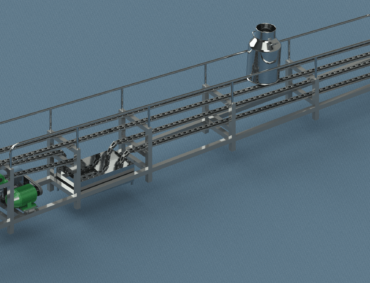
Fabricated with heavy-gauge AISI SS 304/316 food-grade stainless steel, engineered for 24/7 continuous hygienic operation, high thermal efficiency, and minimal dairy maintenance.
Hybrid bulk milk cooling systems combine multiple methods of cooling to improve efficiency and reduce energy consumption. Here are some common types of hybrid milk cooling systems:
| Plate Coolers | These are heat exchangers that use water to cool the milk before it enters the bulk tank. The milk passes through plates on one side while cold water flows on the other side, rapidly reducing the milk's temperature. |
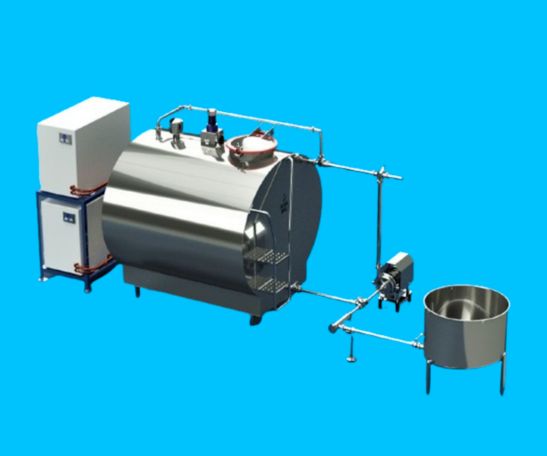
| Bulk Tanks | Once pre-cooled, the milk is stored in insulated bulk tanks equipped with refrigeration units to maintain the desired temperature. |
| Ice Banks | These systems create and store ice during off-peak electricity hours. During milking, the ice is melted to provide a consistent cooling source for the milk. |
| Benefits | They offer significant energy savings by taking advantage of lower electricity rates during off-peak hours. |
| Glycol Chillers | These systems use glycol, a food-safe antifreeze, in a closed-loop system to cool the milk. The glycol is chilled by a refrigeration unit and then circulated through a heat exchanger to cool the milk. |
| Advantages | Glycol systems provide efficient and rapid cooling and can maintain more stable temperatures. |
| Thermal Storage | These systems store cold energy in the form of ice or chilled water. During peak demand periods, the stored energy is used to cool the milk, reducing reliance on the refrigeration unit. |
| Usage | They are effective in managing energy costs and improving cooling efficiency. |
| Solar and Wind Energy | Hybrid systems can incorporate renewable energy sources like solar panels or wind turbines to power the cooling systems. This can significantly reduce energy costs and environmental impact. |
| Battery Storage | Excess energy generated can be stored in batteries for use during periods when renewable energy generation is low. |
| Variable Speed Drives (VSDs) | These are used in refrigeration compressors to adjust the motor speed based on the cooling demand, enhancing energy efficiency. |
| Cooling Precision | VSDs help in maintaining precise cooling temperatures while reducing energy consumption. |
| DX Systems | These systems use refrigerant directly in the cooling process, eliminating the need for intermediate cooling fluids like water or glycol. The refrigerant absorbs heat from the milk and is then compressed and condensed to release the heat outside the system. |
| Efficiency | Direct cooling can be more energy-efficient as it reduces the number of heat exchange steps. |
| Energy Efficiency | By combining different cooling methods, hybrid systems optimize energy usage and reduce costs. |
| Reliability | Multiple cooling methods provide backup options in case one system fails. |
| Sustainability | Integration with renewable energy sources helps in reducing the carbon footprint of milk cooling operations. |
Each hybrid system is designed to meet specific needs and conditions, and the choice depends on factors like milk production volume, local climate, and energy costs.
Authoritative technical answers regarding capacity sizing, food-grade sanitary construction, Clean-In-Place (CIP) cleaning, and dairy plant integration from Aviva Equipments engineers.
A hybrid bulk milk cooling system combines conventional direct-expansion refrigeration with a thermal energy storage (ice-bank / chilled water) battery or solar PV power. It stores cooling energy when grid power is available and discharges it instantly during milking times.
In areas with 6 to 10 hours of daily power cuts, the thermal ice-bank chills milk from 35°C to 4°C in seconds via a plate heat exchanger even when the power grid is completely dead, without requiring a massive diesel generator.
By utilizing solar power or off-peak thermal storage instead of burning diesel, dairy chilling centers save up to 70% in monthly fuel and electrical operating expenses, generating rapid ROI.
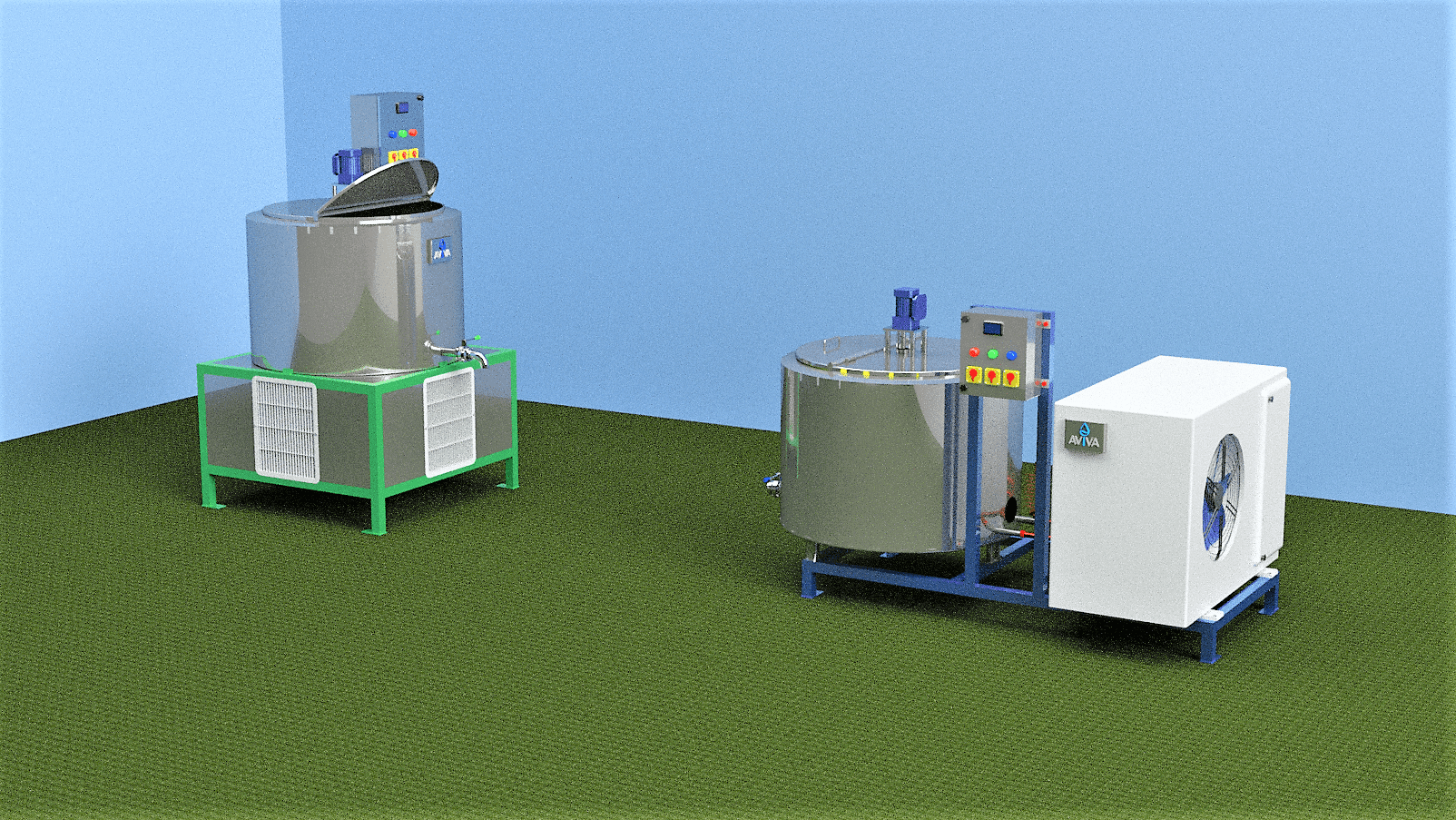
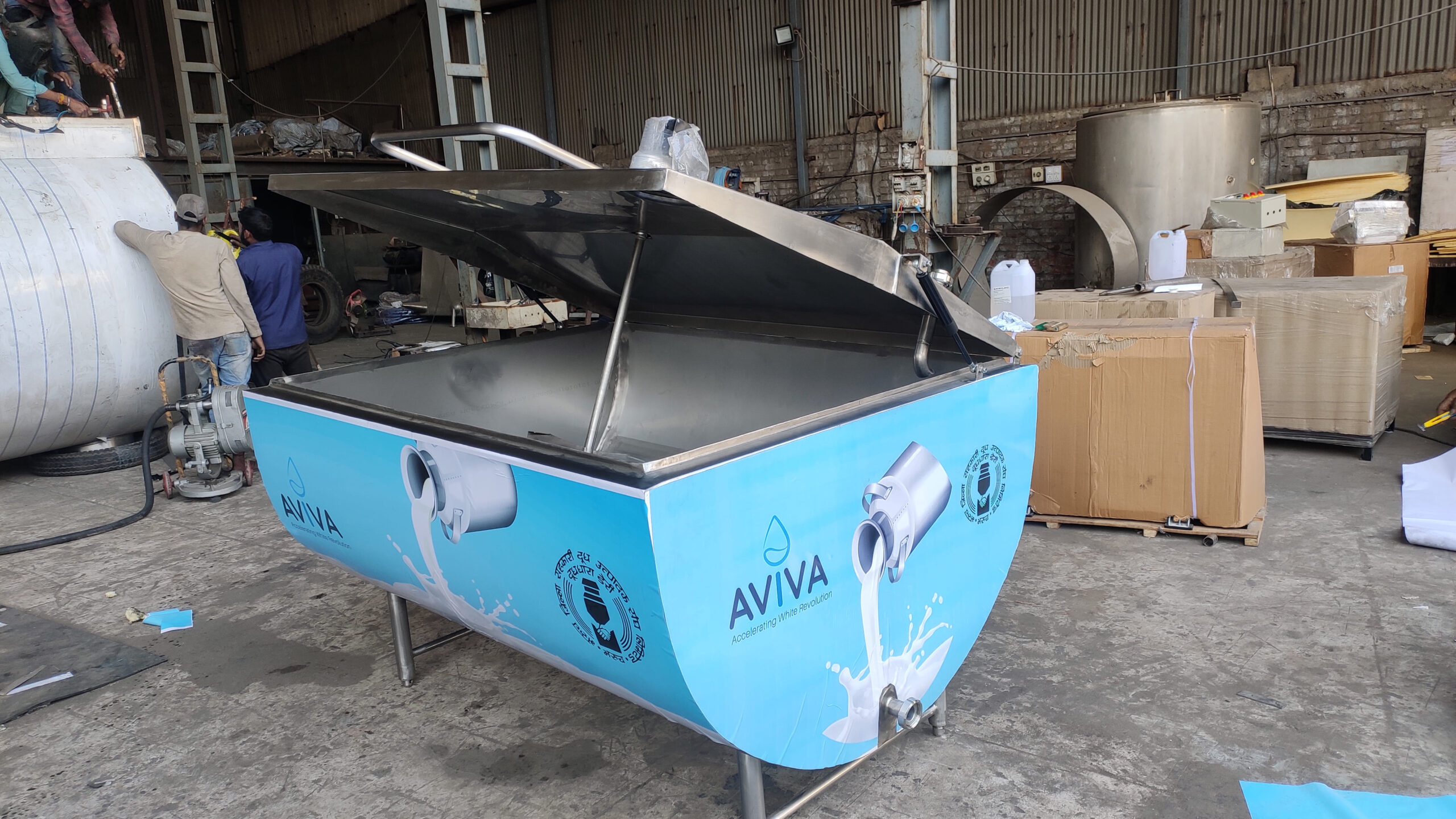
As an innovative milk chilling plant manufacturer, Aviva supplies hybrid milk cooling plants in capacities from 500 Litres to 5,000 Litres custom engineered for dairy cooperatives across India and Africa.
Ranked among leading bulk milk cooler manufacturers in india, Aviva provides complete skid-mounted hybrid units, solar inverters, thermal storage tanks, and round-the-clock technical service.
Consult with Aviva Equipments engineering team for custom capacity sizing, P&ID layout drawings, and factory-direct pricing tailored to your plant.